
老千
Zero-tariff policies, systemic support help African countries expand exports, upgrade industry_我的网站

一 |
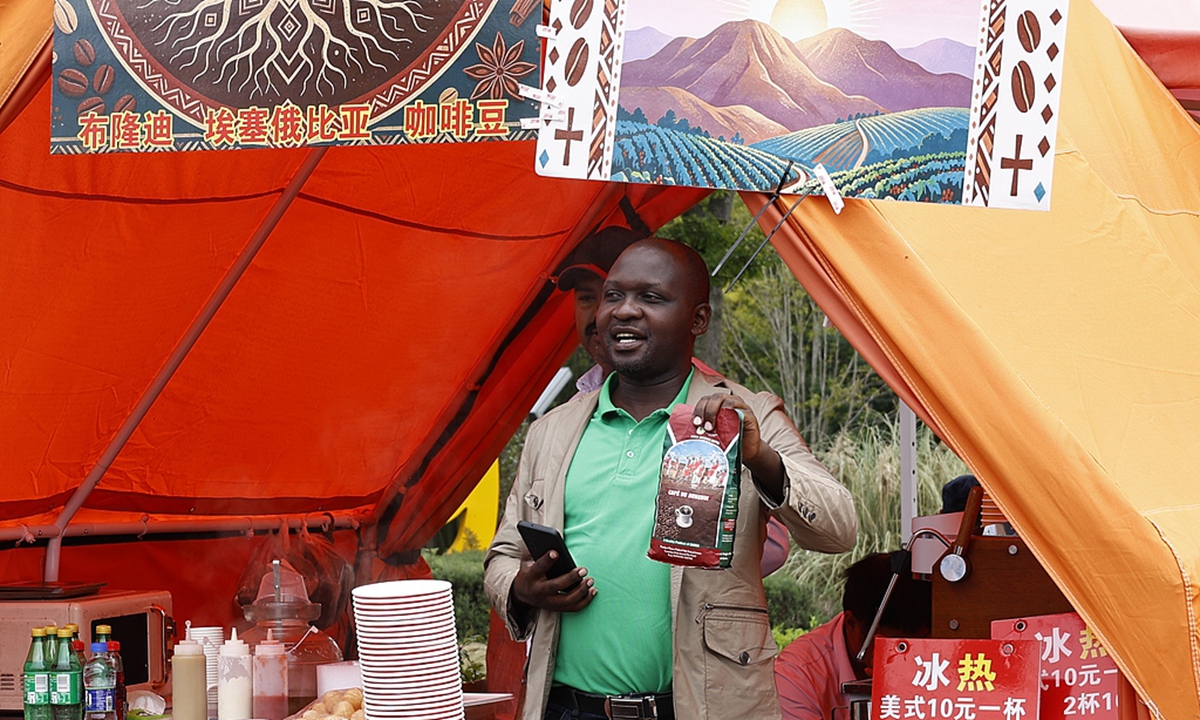
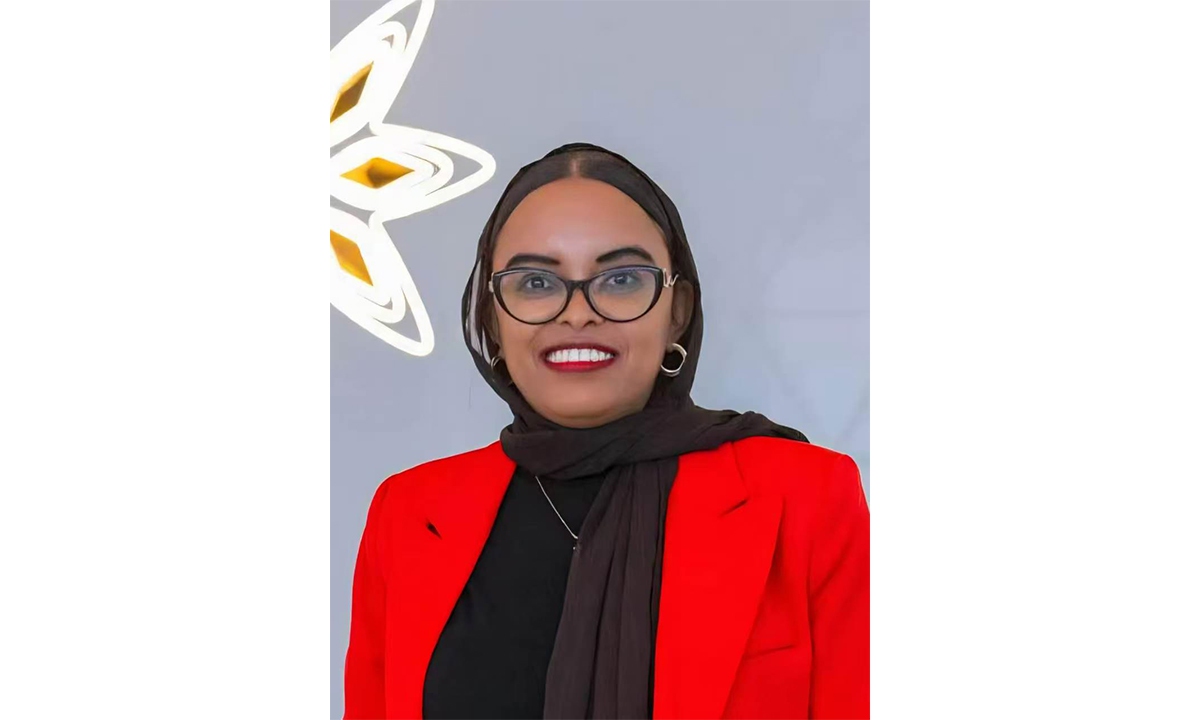
For Ethiopia, which is believed to be the birthplace of coffee, this initiative presents significant opportunities.
"Coffee is not only our leading agricultural export but also an integral part of our cultural heritage. For centuries, Ethiopians have preserved a unique coffee tradition, where families and neighbors gather to prepare and share coffee in a ceremony that symbolizes hospitality and friendship in community," Geleta said.
With improved market access, Ethiopian coffee exports to China are expected to grow substantially. China has become one of the world's fastest-growing coffee consumption markets and is now Ethiopia's third-largest coffee export destination, Geleta noted.
In 2025, China's coffee industry was valued at 354.9 billion yuan ($52.63 billion), up 13.3 percent year on year. Annual per capita consumption rose from 22.24 cups to 28.57 cups, while the value of coffee bean imports increased by 73.9 percent year on year, according to the 2026 China Urban Coffee Development Report released in July.
The Ethiopian diplomat believes China's zero-tariff policy will enhance the competitiveness of Ethiopian coffee, increase export earnings, and encourage greater investment across the coffee value chain, including processing, packaging, branding, logistics and quality certification.
Since July 20 this year, China has granted full market access to coffee beans meeting quarantine requirements from all African countries that have diplomatic ties with China. The full market access is regarded as a landmark achievement in China-Africa cooperation on agricultural market access.
Geleta said that Ethiopia warmly welcomes this landmark policy. Having joined China's zero-tariff arrangement in 2024, the East African country has already witnessed its positive impact on bilateral trade and economic cooperation.
"The policy goes beyond tariff preferences. It demonstrates a practical commitment to South-South cooperation based on mutual respect, shared development and win-win partnership," Geleta noted.
It creates new opportunities for African countries to diversify exports, strengthen productive capacity and participate more actively in global value chains, the diplomat said.
As members of the Global South, Ethiopia and China share a common vision of promoting inclusive and sustainable development. This zero-tariff initiative establishes a valuable benchmark for building agricultural trade rules that better reflect the development needs of emerging economies, she noted.
It also complements the objectives of the FOCAC and the African Continental Free Trade Area (AfCFTA) by supporting greater regional integration and international market access, said Geleta. AfCFTA is a flagship initiative of the African Union designed to transform the continent into the world's largest free-trade area, per the AU.
From Geleta's observation, the market access granted by China is not merely a trade policy, but also a practical example of development cooperation that benefits ordinary people.
Coffee farming sustains millions of Ethiopian households, so greater access to China's market bears direct significance for poverty alleviation, rural advancement and national economic transformation. The policies foster steady demand for Ethiopian coffee, increasing farmer's earnings and bolstering rural community resilience, she said. Such gains closely echo the China-proposed Global Development Initiative, which emphasizes poverty reduction, food security, inclusive growth and sustainable development.
The diplomat said Ethiopia welcomes Chinese investment in agricultural processing, cold-chain logistics, food manufacturing and value-added industries in Ethiopia. Such investment will support industrialization, technology transfer and job creation while strengthening resilient supply chains, Geleta added.
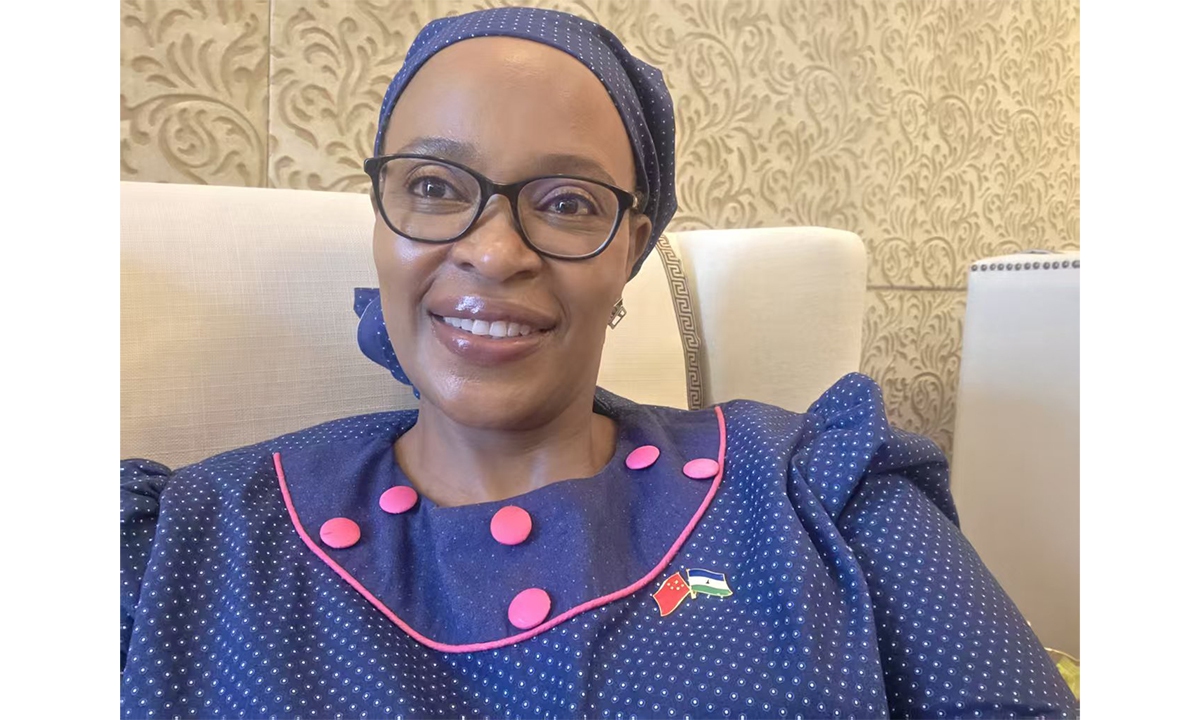
Mile said the policy provides a structured, phased approach to reducing trade difficulties and securing institutional guarantees. "It perfectly embodies the strong, historical foundations built through FOCAC over the years to forge a modernized, forward-looking economic future."
Amid comments saying that African countries still face challenges beyond tariffs, including logistics, standards and market-access capacity, Ambassador Mile of Lesotho said that tariff reduction is a necessary condition for trade expansion; however, more conditions are required to reach deals.
Take Lesotho, a landlocked country, for instance. The country faces acute logistical hurdles and high transport costs. Complying with sanitary and phytosanitary measures, as well as quality standards remains a massive challenge for many enterprises in Lesotho.
To fully benefit from the favorable tariff policy, Mile pointed to systemic technical support for African exporters, targeted investments in agro-processing, and enhanced trade facilitation.
"Initiatives recently introduced by China Customs, such as the 'Green Channel 2.0' for agricultural products and expanding authorized economic operator mutual recognition capacity building, are exactly the types of institutional support needed to overcome the non-tariff barriers," she elaborated.
。 刚刚落幕的2026世界人工智能大会(WAIC),集聚了国产算力全链路厂商,从上游芯片公司、中游服务器厂商,到下游基础设施服务商悉数到场。“Token”(词元)成为本届展会最突出的关键词,整条产业链正加速向“Token经济”全面转型。 国产算力差异化产品 本届WAIC堪称国产算力的高光时刻。

二 | 既有华为昇腾950、曙光8000等重量级超节点产品重磅亮相,也有沐曦、摩尔线程、燧原等厂商推出的多款超节点方案,还有东方算芯、思朗科技等带来富有创新特色的差异化产品。 尽管受制于芯片制程与产能等现实瓶颈,国产芯片厂商仍在稳步推进产品迭代,持续提升性能表现。

三 | 超节点这一创新产品形态,正在为国产大模型训练及大规模推理提供坚实算力支撑。 华为昇腾950与曙光8000均在WAIC现场真机展出,具备为国产顶级大模型提供高规格算力的能力。沐曦、摩尔线程、燧原等厂商也已逐步走出推理场景,开始进入大模型训练赛道。 东方算芯、思朗科技等企业在细分领域展现了独特的创新价值,有效弥补了关键环节的技术短板。 东方算芯在大会期间发布了全球首颗软件定义近存计算3D芯片——DF1000。该芯片依托“软件定义芯片技术”与“近存计算技术”两大核心突破,将互连间距从数十微米压缩至亚微米级别,从而实现数量级提升的互连密度与带宽密度,兼具高算力与大带宽优势。其在14纳米成熟工艺下,即可达到媲美国际4纳米先进制程的性能表现。 思朗科技则是一家专注于科学智能的高科技半导体独角兽。

四 | 依托MaPU自主创新架构,思朗打造出国内首款专为AI4S而生的“天穹”3D科学计算机,构建起我国在科学智能领域的专属算力底座。目前,思朗专用一体机在生物分子模拟、量子模拟等前沿方向上已展现出显著加速效果,在处理复杂科学计算任务时,其执行效率与扩展能力相较传统通用架构具备代际优势。 澎湃新闻记者也注意到,今年WAIC上,各厂商不再一味比拼单卡性能,而是更强调整体解决方案的竞争力,为产业向“Token经济”转型做好系统化准备。比如,摩尔线程直接提出布局三大“AI工厂”,以通用算力支撑全场景需求。摩尔线程创始人、董事长兼首席执行官张建中表示,基于夸娥(KUAE)智算集群打造的“模型训练工厂”“词元生产工厂”“智能体生产工厂”三大AI工厂,凭借全场景通用优势,可支撑从模型训练到推理、从数字世界到物理世界的多元算力需求。

五 | 国产芯片已打通推理盈亏线 本次WAIC上,众多AI Infra(人工智能基础设施)厂商集中亮相。他们是嫁接芯片和算力用户的中间桥梁,他们需要把芯片优化成专业的Token。其中,是石科技是一家专注于国产芯片优化的头部服务商。 在此背景下,是石科技通过构建“HPC+AI”超智融合的全栈式大规模集群解决方案,打通了从底层芯片到上层应用的层层壁垒,并正式推出“国产Token优化工厂——拓元(Vectron)”。 “拓元”的定位,是将每一份算力高效转化为稳定、优质的Token——同等算力投入下产出更多有效Token,同等模型部署下实现更快推理响应,同等显存条件下更稳健地支持超长上下文运行。 是石科技联合创始人毛运航在接受采访时表示,国产芯片虽受制于设计、产能等因素,但始终在稳步迭代。“目前来看,国产芯片在推理端已经具备大规模应用的条件。我们也取得了一些实际成果,能够打通盈亏线,做成一个真正可盈利的商业模型。” 是石科技创始人兼董事长闫博文认为,当前AI竞争正从“比谁拥有更多GPU”转向“比谁让算力产生更大价值”,或者说,从追求更大规模、更多参数、更强训练能力的单一目标,转向对更低成本、更高效率、更强应用能力的综合追求。

六 | “如果算力利用效率持续提升,将释放万亿级算力价值空间。

七 | ” 截至目前,“拓元”已兼容10余款国产算力芯片,可适配20余个主流模型,每日Token吞吐量达千亿级。

八 | 其服务客户涵盖头部互联网企业、头部大模型厂商,以及高端制造、航空航天、生物制药、新能源等行业,应用场景覆盖编程辅助、文生视频、社区智能体、企业级AI助理等多个方向。 “AI时代比拼的不只是算力,更是驾驭算力的能力。”闫博文表示。 来自中国信息通信研究院的数据显示,我国AI日均Token调用量从2024年初的1000亿,飙升至2026年3月底的140万亿,短短两年时间涨幅突破千倍。 词元调用数据爆发式增长,不仅直观折射出国内AI应用的蓬勃活力,更释放出一个强烈信号:以Token为基本单位的“Token经济”已从概念走向现实,正深刻重塑数字经济的底层运行逻辑。
Current article:http://ot1mq.senchuoshaozaodidia.shop/kmncs0c/8v0.html
Published on:08:32:22
栏目相关
- Flu, RSV starting to circulate but cases remain lower than last year: CDC
- 전국 주요 법원에 폭발물 협박 메일…경찰 수색 중
- 戦争疲れに神経とがらせるプーチン政権、「痛み」隠すイルミネーション…独ソ戦超えで高まる平和求める声
- 历史首位!奥斯塔彭科在同一站红土赛击败斯瓦泰克和萨巴伦卡
- 耀皮玻璃:上半年归母净利润3396.6万元,同比下降60.67%
- Canalys: 2022年第三季度全球智能手机出货量下降了9%
- 探营“冰丝带”|人形机器人在运动会前如何备赛训练?
- 白山市大乐透一等奖得主现身领奖
- 住房公积金政策迎大变化!9月20日起施行
- Unitree IPO shifts focus to future
- 1—7月山东省经济运行总体平稳
- 'China Is Awesome': Elon Musk recommends visiting China
热门排行
- 东山精密:公司1.6T光模块产品已向客户供货
- 4.9-magnitude earthquake strikes Sichuan's Yibin
- 午休吃饭随手购彩 重庆彩民刮中“多喜乐”大奖100万元
- 重走长征路,看山河日新、精神永存
- 上海:推进AI+广告公共服务平台、AI广告中试基地建设
- 今年前7个月京津冀地区进出口值创历史同期新高
- 塔奇纳迪:阿莫林的创新想法让我着迷,西塞在国家队层面值得关注
- 第34届广州博览会设3500平方米机器人表演专区,第34届广州博览会设3500平方米机器人表演专区
- Digital Realty获50兆瓦额度,拟建在新加坡第四座数据中心
- CMA warns of record-strong super El Nino as climate impacts already hit China
- 「1年3ヶ月で首を切られ無職に」立憲・杉尾参院議員 高市政権の衆院解散への苦言が“有権者批判”と批判続出…区議会議員も「他責思考極まれり」
- 多所高校允许学生带宠物上学 网友:无法理解这种行为